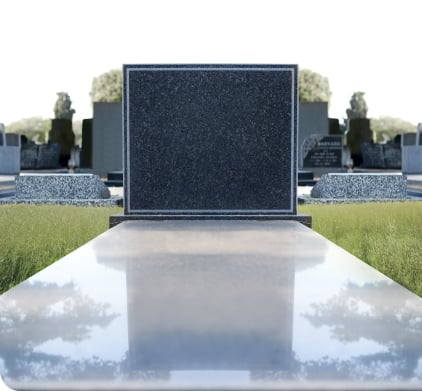
Memorial stones—whether gravestones, monuments, or commemorative plaques—are far more than pieces of carved rock. They are physical links to history, family heritage, and personal memory. Over time, however, these stones are exposed to weather, pollution, biological growth, and natural aging. Without proper care, inscriptions fade, surfaces deteriorate, and the dignity of the memorial can be compromised.
Deep cleaning of memorial stones is not just about aesthetics. It is about preservation, respect, and responsibility. Understanding why it matters—and how it should be done correctly—helps ensure that these markers of remembrance remain intact for future generations.
The Natural Aging Process of Memorial Stones
Every memorial stone is constantly exposed to environmental stress. Rain, wind, sunlight, frost, and temperature fluctuations gradually affect the material. Most gravestones are made of granite, marble, limestone, or sandstone, each responding differently to weathering.
- Granite is highly durable but still accumulates dirt and biological growth.
- Marble is more porous and prone to erosion and acid rain damage.
- Limestone and sandstone are especially vulnerable to surface degradation and flaking.
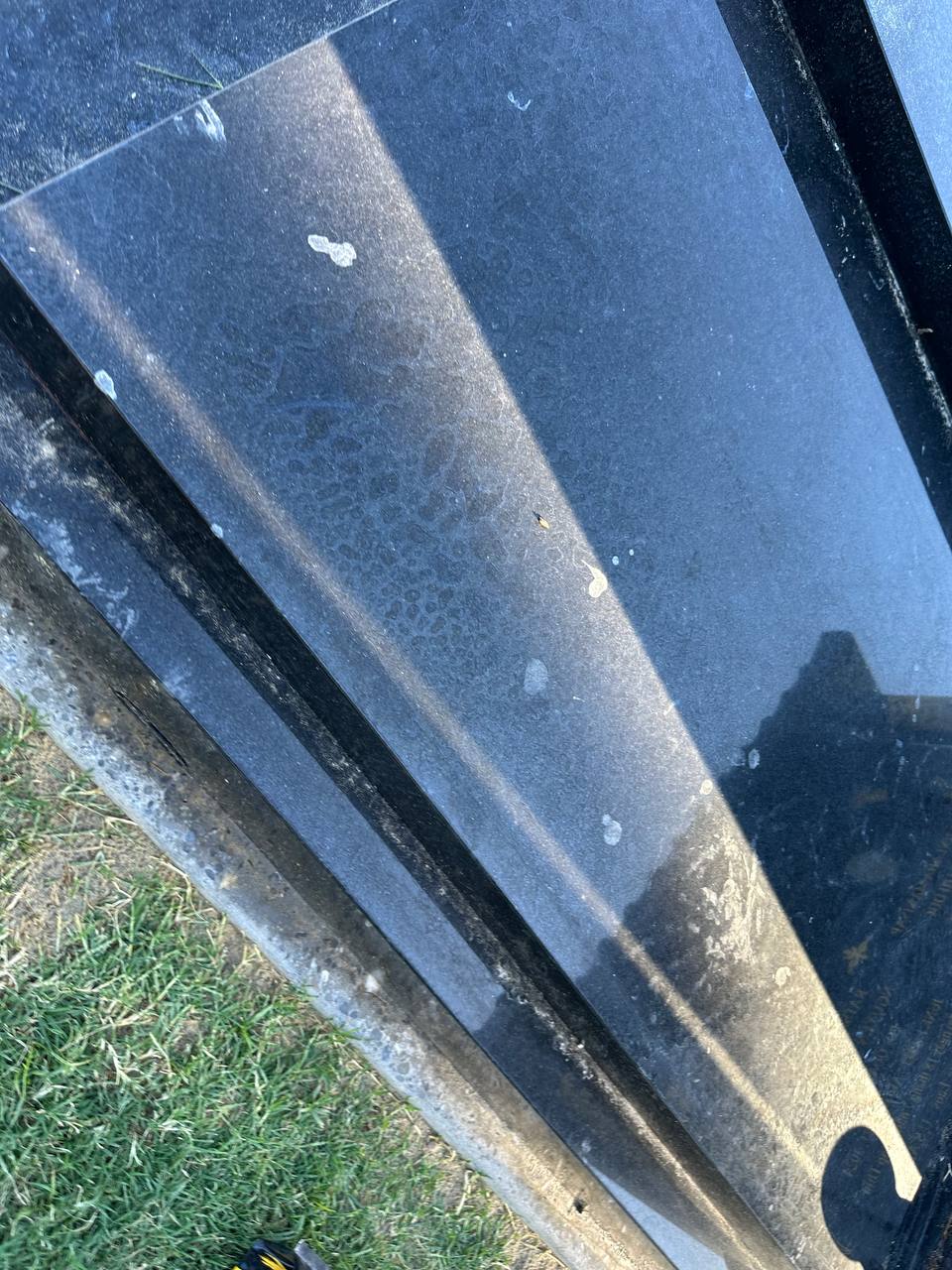
Over time, these materials develop discoloration, micro-cracks, and surface roughness. What begins as a clean, polished surface slowly becomes dull and stained.
Common Types of Contamination
Memorial stones are exposed to several types of contamination:
- Biological Growth
Moss, algae, lichen, and even small plants often grow on stone surfaces, especially in humid or shaded environments. These organisms trap moisture and can accelerate deterioration.
- Pollution and Soot
Urban environments expose stones to exhaust fumes, dust, and industrial pollutants. These particles settle into pores and gradually darken the surface.
- Biological Residue
Bird droppings, leaves, and organic debris can stain stone surfaces if not removed promptly.
- Water Staining and Mineral Deposits
Rainwater carries minerals that leave streaks and deposits over time, particularly on marble and limestone.
Why Deep Cleaning Is Necessary
Surface-level cleaning is often not enough. A simple rinse or wipe may remove visible dirt, but it does not address embedded contaminants or biological growth rooted in the stone.
Deep cleaning is essential for several reasons:
Preservation of Historical Value
Many memorial stones are historical artifacts. Cleaning helps preserve inscriptions and carvings that may otherwise become illegible.
Prevention of Long-Term Damage
Biological growth and pollutants are not just cosmetic issues. They actively contribute to erosion and structural weakening.
Restoration of Readability
Engraved names, dates, and messages can become difficult to read. Deep cleaning restores contrast and visibility.
Respect and Dignity
A well-maintained memorial reflects respect for the deceased and provides comfort for visitors and family members.
Professional Deep Cleaning Methods
Proper deep cleaning is a careful process that balances effectiveness with preservation. Harsh methods can permanently damage stone surfaces, so professionals follow controlled techniques.
- Mechanical Dry Cleaning
Before using water or chemicals, loose debris is gently removed using soft brushes or wooden tools. Metal tools are avoided as they can scratch the surface.
- Low-Pressure Water Cleaning
Low-pressure water systems help remove dirt without damaging the stone. High-pressure washing is avoided because it can erode delicate surfaces.
- Biocidal Treatments
Specialized, stone-safe biocides are used to eliminate moss, algae, and lichen. These solutions are applied carefully and left to work over time before rinsing.
- Steam Cleaning
In some cases, low-pressure steam is used to loosen deep-seated dirt and biological growth without harsh chemicals.
- Manual Detailing
Fine brushes and microfiber tools are used for inscriptions and carved areas where precision is required.
What Should NOT Be Done
Improper cleaning can cause irreversible damage. Some common mistakes include:
- Using bleach or strong acids
- Scrubbing with metal brushes or abrasive pads
- High-pressure washing
- Applying household detergents not designed for stone
These methods may produce short-term visual improvement but often lead to long-term degradation, discoloration, or surface weakening.
The Role of Stone Type in Cleaning Strategy
Each type of stone requires a tailored approach:
- Granite can withstand slightly more mechanical cleaning but still requires gentle treatment.
- Marble demands extreme care due to its softness and sensitivity to acids.
- Sandstone and limestone require minimal moisture and very soft cleaning tools.
Understanding the material is critical to choosing the correct cleaning method.
Environmental Considerations
Modern deep cleaning practices increasingly focus on environmental safety. Biodegradable cleaning agents are preferred to minimize ecological impact, especially in cemetery settings where soil and groundwater protection is important.
Additionally, responsible cleaning avoids disrupting surrounding vegetation and respects the quiet, sacred nature of memorial sites.
Frequency of Deep Cleaning
How often a memorial stone should be cleaned depends on its environment:
- Urban or polluted areas: every 1–2 years
- Rural or shaded areas with high moisture: every 1–3 years
- Well-maintained open spaces: every 3–5 years
Regular light maintenance can reduce the need for intensive deep cleaning.
Emotional and Cultural Importance
Beyond physical preservation, memorial stones carry deep emotional significance. They are places where families gather, remember, and reflect. A neglected or unreadable stone can feel like a fading connection to the past.
Deep cleaning restores not just stone surfaces, but also the emotional clarity of memory. It allows inscriptions, names, and symbols to be seen as they were intended—clearly and respectfully.
In many cultures, maintaining graves is considered an act of honor and continuity. Cleaning becomes part of a broader tradition of remembrance and care.
Conclusion
Deep cleaning for memorial stones is a vital part of preserving cultural heritage and personal memory. It protects stone from environmental damage, restores readability, and ensures that memorials remain dignified over time.
When done correctly, it is a careful balance of science, craftsmanship, and respect. Each stone tells a story, and proper maintenance ensures that story continues to be visible for generations to come.
Ultimately, deep cleaning is not just about cleaning stone—it is about preserving identity, history, and remembrance in their most tangible form