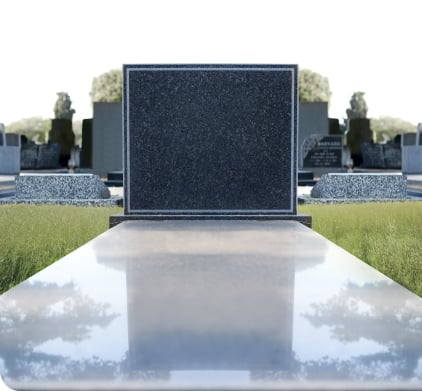
Choosing a monument for a loved one or a memorial site is an important and emotional decision. However, the installation process itself is often underestimated. Professional monument installation services ensure that the memorial is not only visually respectful and well-crafted but also structurally safe, long-lasting, and compliant with cemetery regulations.
Understanding what to expect from these services helps families and clients make informed decisions, avoid unnecessary stress, and ensure that the final result honors the memory of the deceased in the most appropriate way.
Understanding Monument Installation Services
Professional monument installation is a specialized process that involves more than simply placing a headstone on a grave. It includes site assessment, foundation preparation, transportation of heavy materials, precise alignment, and final securing of the structure.
A reliable installation team typically works in coordination with monument manufacturers, cemeteries, and sometimes local authorities to ensure compliance with all regulations and technical requirements.
Key Stages of Professional Monument Installation
Below is an overview of the typical steps involved in a standard monument installation process:
| Stage | What Happens | Why It Matters |
| Consultation & Planning | The client selects a monument style, material, and inscription. The installer reviews cemetery rules and site conditions. | Ensures compliance and prevents future issues with placement or size restrictions. |
| Site Inspection | Professionals visit the burial site to assess soil stability, space, and accessibility. | Helps determine foundation type and installation method. |
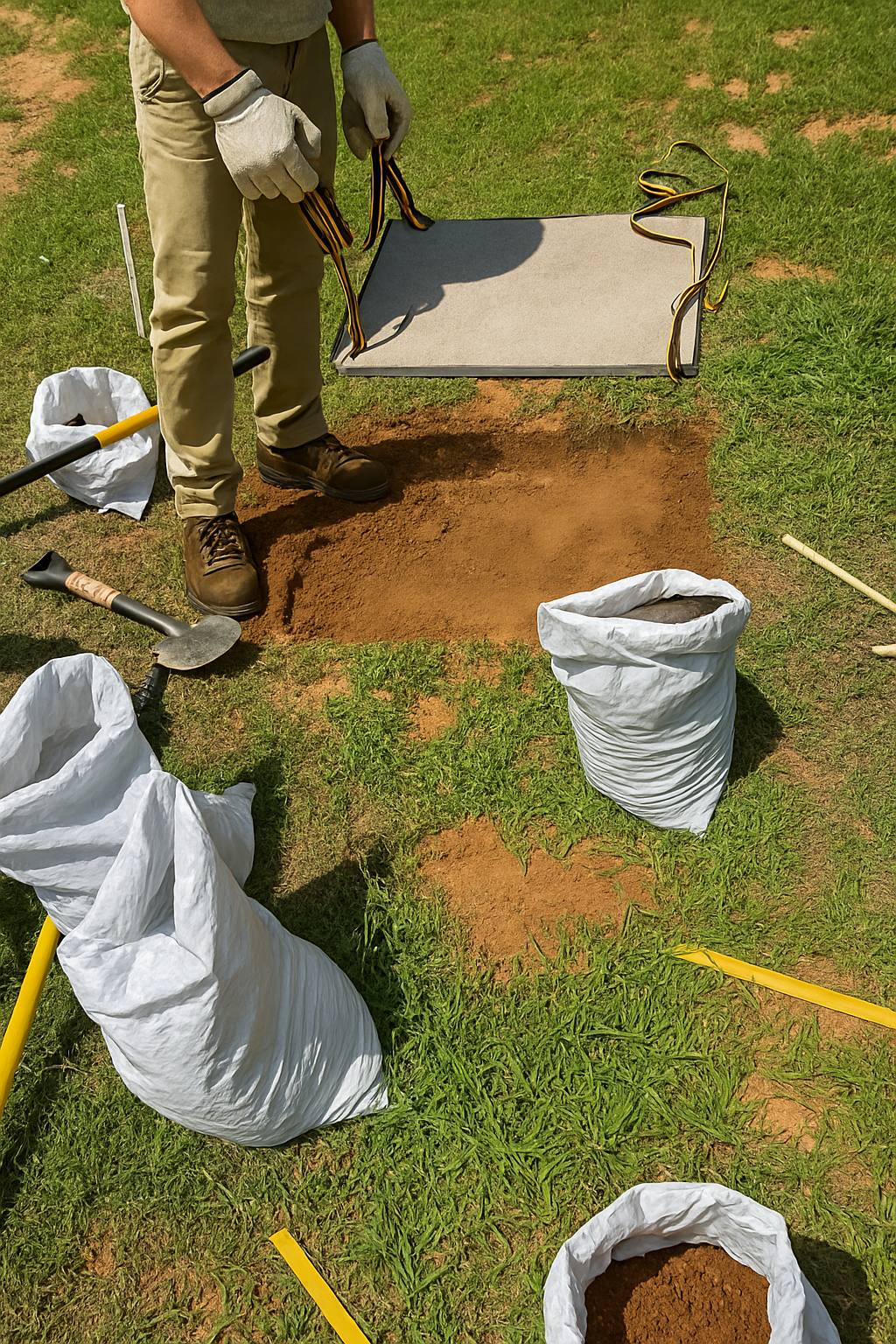
| Foundation Preparation | A concrete or reinforced base is constructed to support the monument. | Provides long-term stability and prevents sinking or tilting. |
| Transportation | The monument is safely delivered to the cemetery using specialized equipment. | Prevents damage to heavy or fragile stone elements. |
| Installation | The monument is carefully placed, aligned, and secured onto the foundation. | Ensures correct positioning and structural integrity. |
| Finishing & Cleaning | Final adjustments are made, and the site is cleaned and polished. | Provides a respectful and presentable final appearance. |
Materials and Types of Monuments
Professional installers work with a variety of materials, each requiring specific handling techniques:
- Granite – the most popular option due to durability and weather resistance
- Marble – elegant but more sensitive to weathering
- Bronze plaques – often mounted on stone bases
- Composite materials – used for modern or custom designs
Each material affects installation complexity, foundation requirements, and long-term maintenance.
Why Professional Installation Matters
While it may seem straightforward, monument installation is a technically demanding process. Hiring professionals offers several key advantages:
- Structural Safety
Improper installation can lead to tilting, cracking, or collapse over time. Professionals ensure the monument is securely anchored.
- Compliance with Cemetery Rules
Many cemeteries have strict regulations regarding size, materials, and placement. Experienced installers ensure full compliance.
- Long-Term Durability
A properly installed monument can last for decades without major repairs or adjustments.
- Precision and Aesthetics
Alignment, leveling, and positioning are critical for a respectful and visually balanced memorial.
- Reduced Emotional Burden
Families do not need to handle heavy logistics during a difficult emotional time.
Factors That Influence Installation Cost
The cost of professional monument installation services can vary depending on several factors:
- Size and weight of the monument
- Type of material used
- Complexity of the design
- Soil conditions at the cemetery
- Accessibility of the burial site
- Additional customization or engraving
Custom or large family monuments typically require more labor and specialized equipment, which increases the overall cost.
Timeline of Installation
The installation process is not always immediate. Depending on conditions, it may take:
- 1–3 days for simple installations
- 1–2 weeks if foundation work is required
- Several weeks or months for custom monuments with manufacturing delays
Weather conditions and cemetery schedules can also affect timing.
How to Choose a Reliable Monument Installation Service
Selecting the right provider is essential for ensuring quality and peace of mind. Here are key factors to consider:
Experience and Reputation
Look for companies with proven experience in monument installation and positive client feedback.
Portfolio of Work
A professional service should be able to show examples of completed installations.
Transparency in Pricing
Clear, detailed pricing helps avoid unexpected costs.
Knowledge of Local Regulations
Cemetery rules vary widely, so local expertise is crucial.
Warranty or Guarantee
Reliable installers often provide guarantees for their workmanship.
Common Mistakes to Avoid
Many issues with monuments arise from poor planning or unqualified installation. Avoid the following mistakes:
- Choosing installers without proper experience
- Ignoring cemetery regulations
- Skipping proper foundation work
- Selecting materials unsuitable for local climate
- Not confirming installation warranties
Taking time to choose a qualified professional significantly reduces long-term risks.
Maintenance After Installation
Even though monuments are designed for durability, occasional maintenance helps preserve their appearance:
- Cleaning stone surfaces from dirt and moss
- Checking alignment over time
- Re-sealing inscriptions if needed
- Repairing small cracks or chips early
Some installation companies also offer maintenance services as part of long-term care packages.
Conclusion
Professional monument installation services are a crucial part of creating a lasting and respectful memorial. From site preparation and foundation work to precise placement and finishing touches, each step requires expertise and attention to detail.
By understanding the process and working with experienced professionals, families can ensure that the monument remains stable, dignified, and meaningful for generations