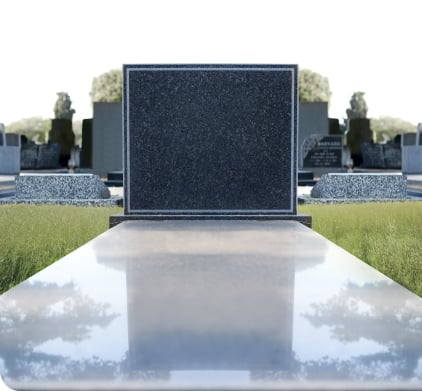
A memorial stone serves as a lasting tribute to a loved one, a physical anchor that preserves history and memory for generations to come. Yet, even the finest granite or marble marker is only as durable as the ground upon which it rests. At Monument Services, we understand that a memorial is an emotional investment. To ensure its longevity and stability, the preparation of the foundation is arguably the most critical stage of the entire installation process. Without proper attention to soil mechanics, drainage, and structural integrity, even the most beautiful monument will eventually lean, sink, or fracture under the pressures of nature.
The Significance of a Proper Foundation
The primary purpose of a foundation is to distribute the weight of the memorial stone evenly across the soil. Memorials are exceptionally heavy; solid granite can weigh hundreds, sometimes thousands, of kilograms. If the ground underneath is soft, uneven, or prone to seasonal shifts, the weight will inevitably cause the stone to settle unevenly. This leads to tilted markers, cracks in the base, and a general appearance of neglect. Furthermore, in regions subject to deep freezing, the phenomenon of “frost heave” can push a monument upward or outward if the foundation is not deep enough.
At Monument Services, we emphasize that the foundation is the unsung hero of memorial installation. It acts as an interface between the stone and the earth, isolating the monument from ground moisture that could seep into the stone’s pores, leading to unsightly staining or biological growth. A properly engineered foundation ensures that your tribute remains upright, level, and dignified, regardless of the harshness of the climate or the passage of time.
Planning and Site Assessment
Before any digging occurs, a thorough assessment of the burial site is mandatory. Not all soil is created equal. Sandy soil drains well but lacks the compaction strength of clay, while heavy clay retains water and can expand, putting pressure on foundations. The slope of the ground also dictates how water will flow around the site. If a monument is placed on a downhill slope, drainage channels must be integrated to prevent water from pooling at the base.
Consulting with local cemetery regulations is the first administrative step. Many cemeteries have strict requirements regarding foundation depth and dimensions, and some even mandate that they perform the installation themselves. Once you have clearance, you must determine which type of foundation is most suitable for the specific design of your memorial.
Comparison of Foundation Types
Different memorials require different support structures. The following table highlights the common options used in the industry to ensure stability.
| Foundation Type | Best Used For | Key Advantages |
| Concrete Pad | Large upright monuments | Superior load distribution; very stable. |
| Granite Base | Traditional headstones | Aesthetic continuity; weather resistance. |
| Steel Frame | Soft or sandy soil | Prevents lateral movement in unstable earth. |
| Compacted Gravel | Small, lightweight markers | Excellent drainage; cost-effective. |
Essential Tools and Materials
A professional installation requires more than just a shovel and a bag of cement. To build a foundation that lasts for decades, you must utilize high-quality materials and precise tools. Using inferior materials often results in premature failure. Here is a list of the essential items our team at Monument Services uses for standard installations:
- Excavation Tools: Professional-grade spades, pickaxes, and potentially a soil compactor for larger areas.
- Concrete Mix: High-strength, pre-mixed concrete with proper water-to-cement ratios to prevent future cracking.
- Reinforcement: Steel rebar or wire mesh to add tensile strength to the concrete slab, preventing it from snapping under heavy loads.
- Leveling Equipment: A spirit level, laser level, and string lines to ensure absolute precision.
- Gravel/Crushed Stone: A base layer of compacted 3/4-inch crushed stone to facilitate drainage and prevent the concrete from sitting in mud.
- Forms: Wooden boards to create the frame for the concrete pour, ensuring clean, sharp edges for the foundation.
Step-by-Step Installation Guide
The process of laying a foundation is a sequence of events where accuracy is paramount. A mistake at the beginning will be compounded by the time the heavy stone is placed on top.
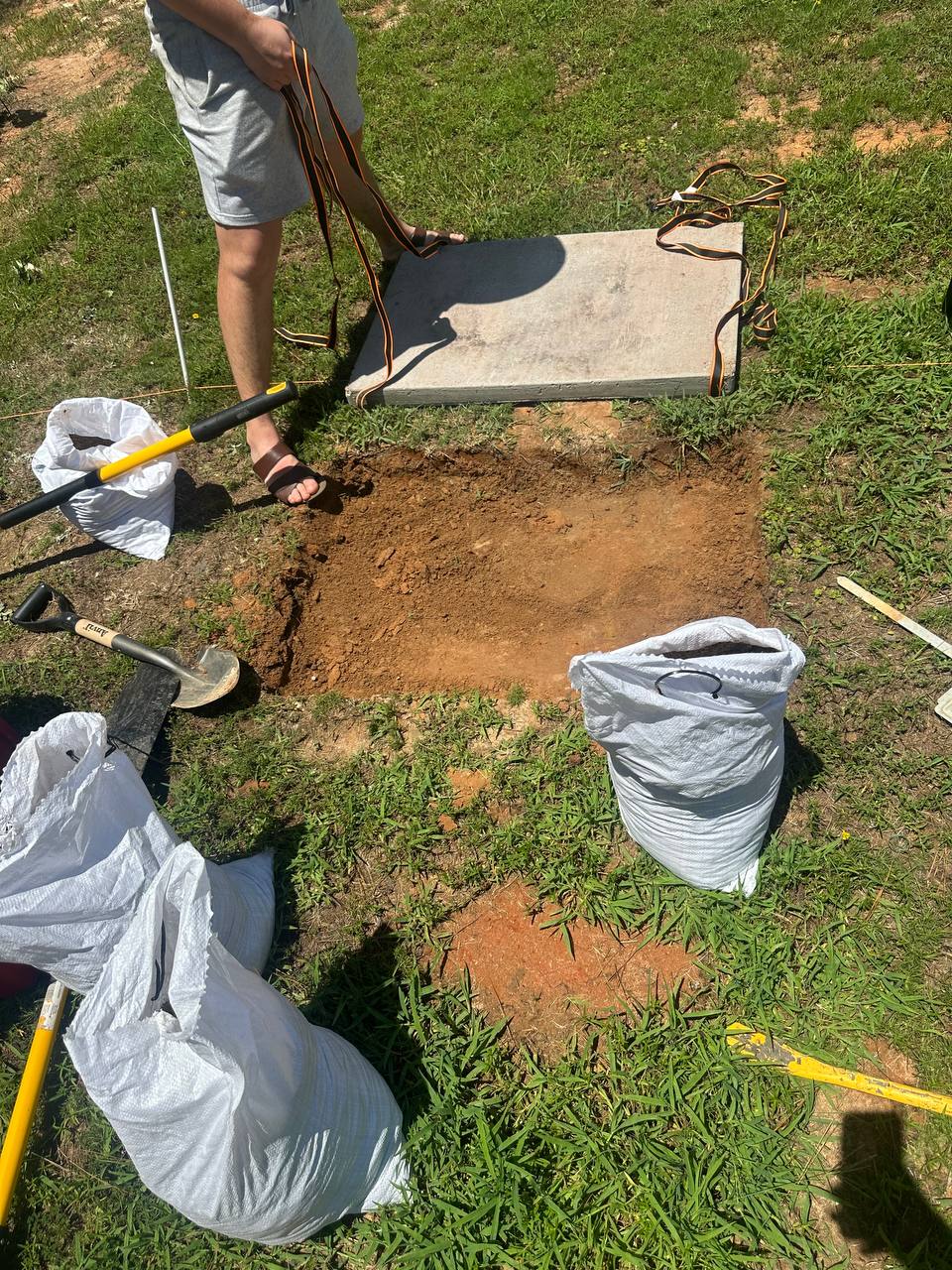
- Layout and Marking: After surveying the site, outline the dimensions of the foundation with marking paint. Ensure the dimensions are slightly larger than the base of the monument itself to provide a stable, visible perimeter.
- Excavation: Dig to the required depth dictated by local frost lines. Usually, this is 15 to 30 centimeters deep. Remove all topsoil, as organic matter will decompose and cause settling.
- Base Preparation: Fill the excavated hole with a layer of crushed gravel. This layer must be compacted thoroughly using a mechanical plate compactor to ensure there are no air pockets.
- Formwork: Build the wooden forms around the perimeter of the hole. Use a spirit level to ensure the forms are perfectly level in all directions.
- Reinforcement: Place the steel rebar inside the forms. It should be elevated slightly above the gravel base to ensure it is completely encased in concrete.
- The Pour: Carefully pour the concrete into the forms. Agitate the mix to remove air bubbles, which are structural weak points. Smooth the surface with a trowel.
- Curing: Allow the foundation to cure for at least 48 to 72 hours before attempting to set the monument. Applying weight too soon can cause the fresh concrete to crack or shift.
Avoiding Common Mistakes
One of the most frequent errors is failing to wait for the concrete to reach sufficient compressive strength before installing the monument. Patience is vital. Another common pitfall is the lack of proper drainage. If the foundation is poured in a way that traps water against the base of the granite, the stone will eventually suffer from moisture damage. Additionally, skipping the steel reinforcement in larger foundations is a recipe for disaster; without it, temperature fluctuations will inevitably crack the slab.
Why Partner with Monument Services
Handling the foundation for a memorial is a physically demanding and technically precise task that leaves no room for error. At Monument Services, we combine structural engineering expertise with an understanding of cemetery ethics. We handle the heavy lifting, the sourcing of professional-grade concrete, and the precise levelling required to ensure your memorial is a permanent fixture of respect. By entrusting your foundation to us, you avoid the risks of DIY errors and ensure that your tribute remains as steadfast as the memories you wish to honor. We stand behind our work, ensuring that when we place a stone, it stays placed. Your legacy deserves the stability that only expert preparation can provide.