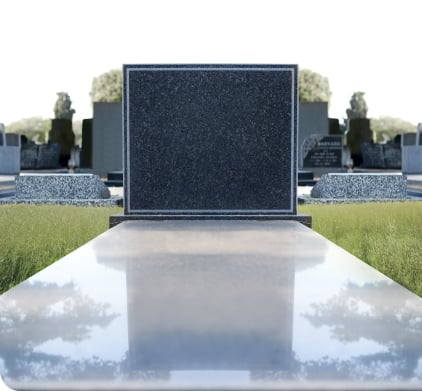
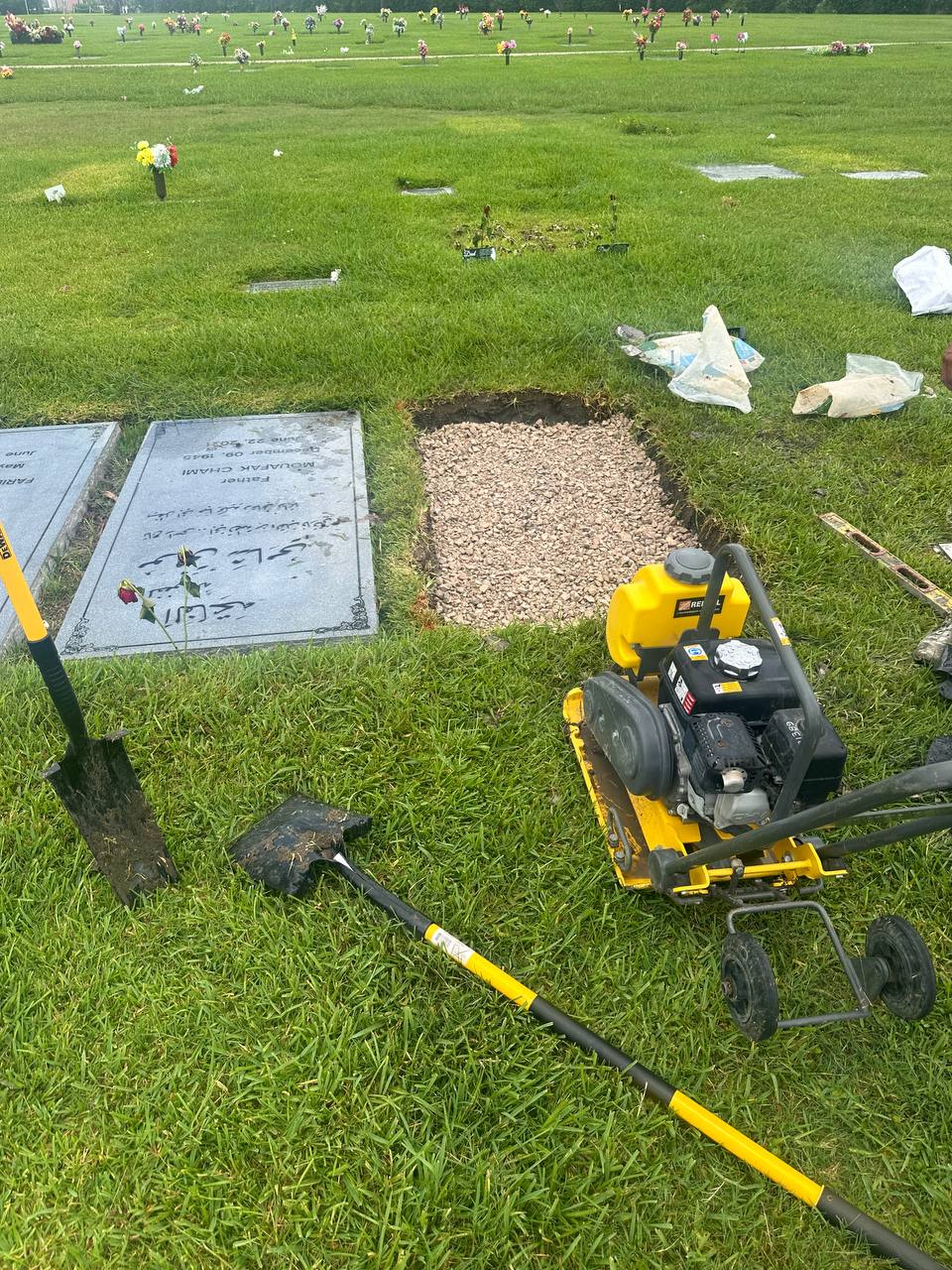
Installing a monument is a process that combines craftsmanship, engineering precision, and environmental awareness. Whether it is a memorial, gravestone, statue, or architectural commemorative structure, timing plays a crucial role in ensuring durability, stability, and long-term aesthetic quality. While monument installation can technically be performed year-round, certain seasons provide significantly better conditions than others.
Understanding the best time of year for monument installation helps avoid structural issues, delays, and unnecessary costs while ensuring the monument remains stable for decades.
Why Timing Matters in Monument Installation
Monuments are typically installed on a prepared foundation made of concrete, stone, or reinforced base structures. The quality of this foundation depends heavily on environmental conditions during installation. Temperature, soil moisture, frost, and precipitation all influence how well materials cure and how stable the ground remains.
Key reasons timing is important include:
- Concrete curing conditions
- Soil stability and frost depth
- Weather-related delays
- Safety of installation crews
- Long-term structural integrity
If installation is performed in poor conditions, it may lead to uneven settling, cracking of the base, or even tilting of the monument over time.
Spring: One of the Most Favorable Seasons
Spring is often considered one of the best times for monument installation in many regions with cold winters.
Advantages:
- Soil begins to thaw and stabilize after winter
- Moderate temperatures support proper concrete curing
- Increased availability of installation teams after winter slowdown
- Reduced risk of extreme weather conditions
Challenges:
- Early spring may still have frost in the ground
- Frequent rain can delay outdoor work
- Soil can remain overly saturated in some areas
Spring is especially suitable for installations scheduled after the full thaw of the ground. Once soil moisture stabilizes, it provides a solid base for foundations.
Summer: Peak Installation Season
Summer is traditionally the busiest and most reliable season for monument installation.
Advantages:
- Stable and warm temperatures ensure optimal concrete curing
- Dry ground conditions improve foundation stability
- Longer daylight hours allow faster project completion
- Minimal risk of frost-related complications
Challenges:
- High demand can lead to longer waiting times
- Extremely hot weather may affect working conditions and material behavior
- In some regions, drought conditions can harden soil excessively
Despite minor drawbacks, summer remains the most predictable and efficient period for monument installation, especially for complex or large-scale memorials.
Autumn: A Balanced and Practical Choice
Autumn is another excellent period for monument installation, particularly in regions with mild fall weather.
Advantages:
- Cooler temperatures but still frost-free ground
- Reduced workload for installation companies after summer peak
- Stable soil conditions after summer drying
- Lower chance of extreme heat stress on materials
Challenges:
- Increasing rainfall in late autumn
- Shortening daylight hours
- Risk of early frost in colder regions
Autumn is often chosen by clients who want a balance between favorable weather and shorter waiting times. It is especially effective when installation is completed before the first frost appears.
Winter: The Most Challenging Season
Winter is generally the least favorable time for monument installation, but it is not always impossible.
Advantages:
- Lower demand means faster scheduling in some cases
- Some specialized techniques allow cold-weather installation
- Frozen ground can sometimes provide temporary stability
Challenges:
- Frozen soil makes excavation and foundation work difficult
- Concrete curing is significantly compromised in low temperatures
- Snow and ice can delay or prevent installation
- Increased risk of structural imperfections
In most cases, winter installations require special additives for concrete, insulation methods, or temporary heating systems. These increase costs and complexity, making winter a less practical choice unless absolutely necessary.
Key Factors That Influence the Best Timing
Beyond seasonal considerations, several technical and environmental factors affect the ideal installation period:
- Soil Conditions
Stable, non-frozen, and moderately dry soil is essential for a strong foundation. Excess moisture or frozen ground can lead to uneven settling.
- Temperature Stability
Consistent temperatures between 5°C and 25°C are ideal for concrete curing and stone setting.
- Material Type
Granite, marble, and composite materials may respond differently to temperature changes. Heavy stone monuments require more stable ground conditions.
- Regional Climate
In colder climates, installation windows are shorter, while warmer regions allow more flexibility throughout the year.
- Accessibility of the Site
Cemetery or construction site accessibility can be affected by rain, snow, or muddy terrain.
Regional Considerations
In regions with continental climates—such as Eastern Europe—seasonal differences are particularly important. Winters are often long and freezing, making spring through early autumn the most reliable installation period.
In such climates:
- Late April to October is typically ideal
- July and August are peak performance months
- November to March is generally avoided unless necessary
Local weather patterns should always be reviewed before scheduling installation to ensure optimal conditions.
When Is the Absolute Best Time?
While each season has its advantages, the most universally recommended periods for monument installation are:
- Late spring (May–June)
- Late summer (August–September)
These months typically provide the best combination of stable temperatures, workable soil conditions, and manageable scheduling availability.
Conclusion
The best time of year for monument installation depends on balancing weather conditions, soil stability, and logistical factors. While installation is technically possible year-round, spring, summer, and early autumn offer the most favorable environments for ensuring durability and precision.
Choosing the right season helps prevent structural issues, reduces long-term maintenance risks, and ensures that the monument stands as a lasting tribute without compromise. Proper planning and attention to seasonal conditions are just as important as the craftsmanship of the monument itself.