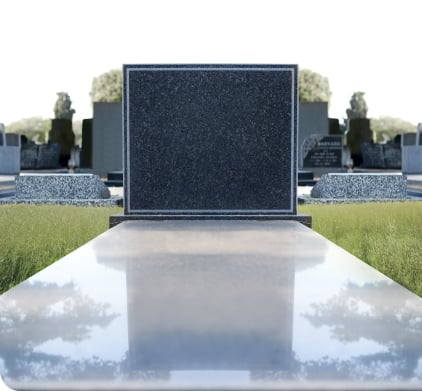
Installing a headstone is one of the most meaningful final steps in honoring a loved one. It is meant to stand for decades—sometimes centuries—as a symbol of memory, respect, and legacy. Because of its permanence, even small mistakes during planning or installation can lead to serious long-term issues such as instability, damage, additional costs, or emotional distress for the family.
Below is a detailed guide to the most common mistakes people make when installing a headstone and how to avoid them.
-
Not Understanding Cemetery Regulations
One of the most frequent and costly mistakes is failing to check cemetery rules before ordering or installing a headstone. Every cemetery has its own regulations regarding:
- Allowed headstone dimensions
- Approved materials (granite, marble, bronze, etc.)
- Foundation requirements
- Style restrictions (flat marker vs upright monument)
- Installation procedures
Some cemeteries only allow installation by approved contractors. Others require specific base thickness or foundation systems.
Why it matters:
If the monument does not comply with regulations, the cemetery may refuse installation or require modifications at additional expense.
How to avoid it:
Always request written guidelines from the cemetery before ordering the stone.
-
Choosing the Wrong Material
Not all materials are equally durable. A common mistake is choosing a headstone based only on appearance or price.
- Marble looks elegant but erodes faster over time, especially in harsh weather.
- Soft limestone can deteriorate quickly.
- Low-quality granite may crack or fade.
Why it matters:
A headstone is exposed to rain, snow, UV radiation, and temperature fluctuations for decades. Poor material selection leads to fading inscriptions, cracks, and structural instability.
How to avoid it:
Opt for high-quality granite, which is widely considered the most durable and weather-resistant material.
-
Incorrect Foundation Installation
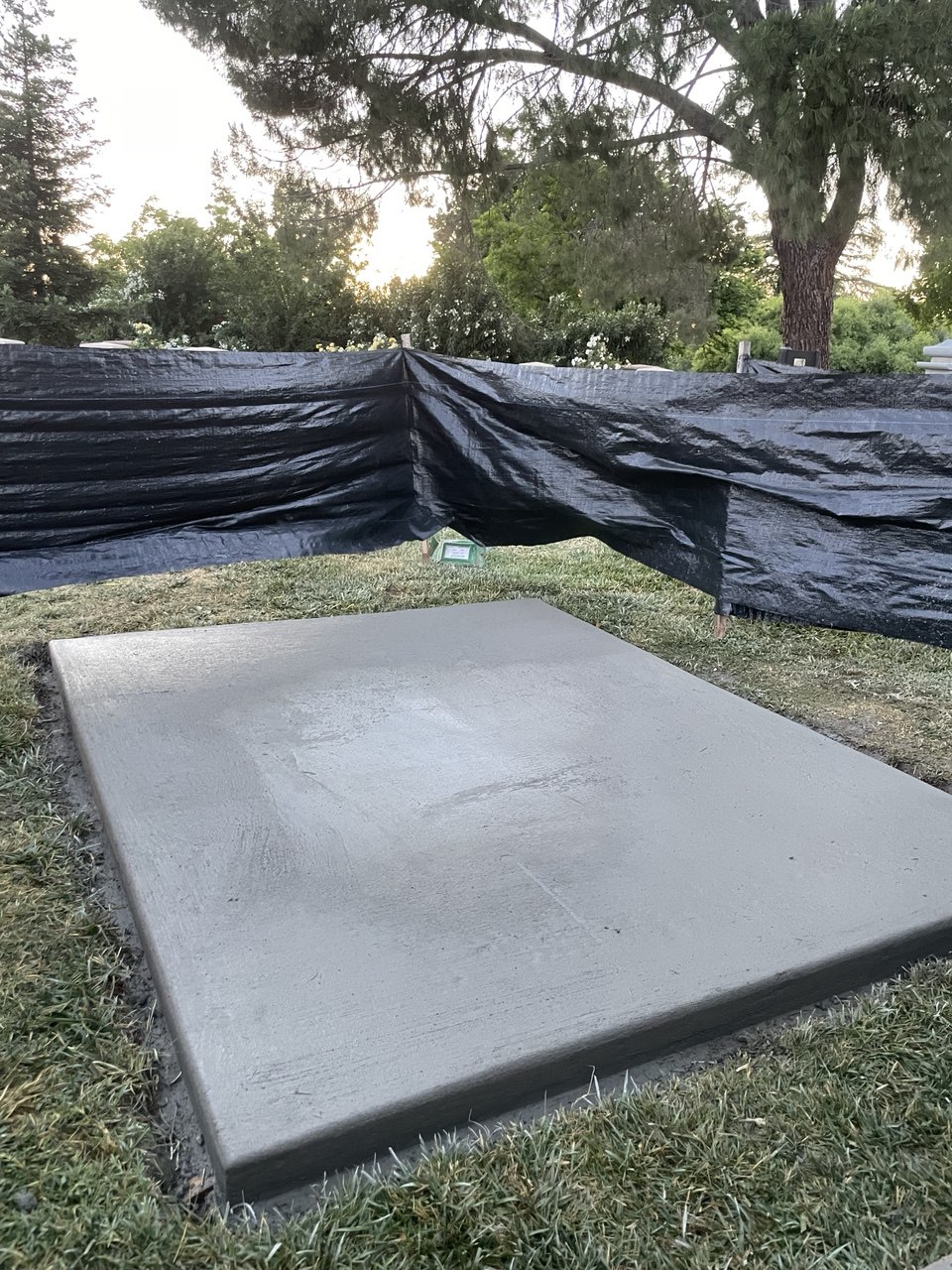
A weak or improperly prepared foundation is one of the most serious installation errors. The base supports the entire weight of the monument.
Common foundation mistakes include:
- Shallow footing depth
- Uneven ground leveling
- Lack of reinforced concrete base
- Poor soil compaction
Why it matters:
An unstable foundation can cause the headstone to tilt, sink, or even collapse over time.
How to avoid it:
Ensure the foundation is installed by experienced professionals using reinforced concrete and proper soil preparation techniques.
-
Poor Alignment and Positioning
Even a high-quality monument can look unprofessional if it is not aligned correctly.
Common issues:
- Headstone not centered on the grave plot
- Uneven horizontal leveling
- Misalignment with neighboring graves
Why it matters:
Incorrect positioning not only affects aesthetics but may also violate cemetery layout standards.
How to avoid it:
Use professional leveling tools and double-check positioning before final installation.
-
Ignoring Soil Conditions
Soil type plays a major role in long-term stability. Many installers overlook this factor.
Problematic soil conditions include:
- Sandy soil (shifts easily)
- Clay soil (expands and contracts with moisture)
- Loose fill soil (poor compaction)
Why it matters:
Soil movement can cause the monument to tilt or sink unevenly.
How to avoid it:
Conduct a basic soil assessment and adapt the foundation design accordingly, possibly using deeper reinforcement or drainage solutions.
-
Incorrect Engraving Layout
The inscription is one of the most personal aspects of a headstone, but design mistakes are common:
- Too much text crowded into a small space
- Poor font choice reducing readability
- Incorrect spelling or dates
- Misaligned engraving layout
Why it matters:
Engraving errors are permanent and costly to correct.
How to avoid it:
Always double-check spelling, dates, and layout proofs before engraving begins.
-
Choosing the Wrong Size
Some families choose a headstone that is either too large or too small for the plot.
- Oversized monuments may violate cemetery regulations
- Small markers may look disproportionate in larger plots
- Incorrect thickness may affect durability
Why it matters:
Size affects both aesthetics and compliance with cemetery standards.
How to avoid it:
Confirm exact dimensional requirements before ordering.
-
Skipping Professional Installation
A major mistake is attempting DIY installation or hiring unqualified labor to save money.
Risks include:
- Improper foundation work
- Unsafe lifting and handling
- Incorrect sealing or assembly
- Long-term structural failure
Why it matters:
Headstones are heavy and require specialized equipment and experience.
How to avoid it:
Always hire experienced monument installers with proven expertise.
-
Ignoring Weather Conditions During Installation
Weather plays a bigger role than many people realize. Installing a headstone during:
- Heavy rain
- Frozen ground
- Extreme heat
can lead to structural issues.
Why it matters:
Concrete foundations need proper curing conditions, and unstable weather can compromise stability.
How to avoid it:
Schedule installation during mild, stable weather conditions whenever possible.
-
Poor Maintenance Planning
Even after correct installation, lack of maintenance can lead to deterioration.
Common oversights:
- Not cleaning the stone regularly
- Allowing moss or lichen buildup
- Ignoring small cracks or shifts
Why it matters:
Minor issues can develop into major damage over time.
How to avoid it:
Plan for periodic cleaning and inspection, especially after seasonal changes.
-
Not Considering Long-Term Settlement
Ground settling is natural over time, especially in newer cemeteries.
Mistake:
Assuming the headstone will remain perfectly stable without future adjustments.
Why it matters:
Uneven settling can tilt or distort the monument.
How to avoid it:
Use reinforced foundations and consider periodic leveling checks after installation.
-
Lack of Coordination with Cemetery Staff
Failing to communicate with cemetery management can cause logistical problems:
- Installation delays
- Incorrect plot identification
- Restricted access times
Why it matters:
Coordination ensures smooth installation without administrative issues.
How to avoid it:
Schedule installation in advance and confirm all requirements with cemetery administration.
Final Thoughts
A headstone is more than just a physical marker—it is a lasting tribute to a person’s life and memory. Avoiding common installation mistakes ensures that this tribute remains stable, dignified, and beautiful for many years.
Careful planning, professional installation, and attention to detail make all the difference between a monument that stands proudly through generations and one that requires costly repairs or corrections.
Investing time and effort at the beginning is the best way to ensure long-term peace of mind and proper honoring of a loved one